At the end of last summer, we relaunched the much-loved Cargoroo e-cargo bike sharing service, following the bankruptcy of Cargoroo BV in late 2024. The yellow cargo bikes returned to the streets of Utrecht and The Hague — now operated by MOBY.
We didn't come back with hype. We came back with a plan. Our focus was simple: rebuild the service properly, restore trust with users and cities, and grow responsibly from a stable operational base.
Over the final months of 2025, as we gradually reintroduced the fleet neighbourhood by neighbourhood, the reception, operations and results have been extremely encouraging — not just for Cargoroo, but for what shared cargo bikes can mean for cities across Europe.
From comeback to confidence
We started small, focusing first on upgrading the bikes, launching the all-new Cargoroo by MOBY app, and ensuring our operational systems were solid before scaling. Cargo bikes were rolled out in close collaboration with municipalities, at designated neighbourhood parking locations. Each bike has a fixed home location, meaning availability is reliable and bikes can be reserved in the app.
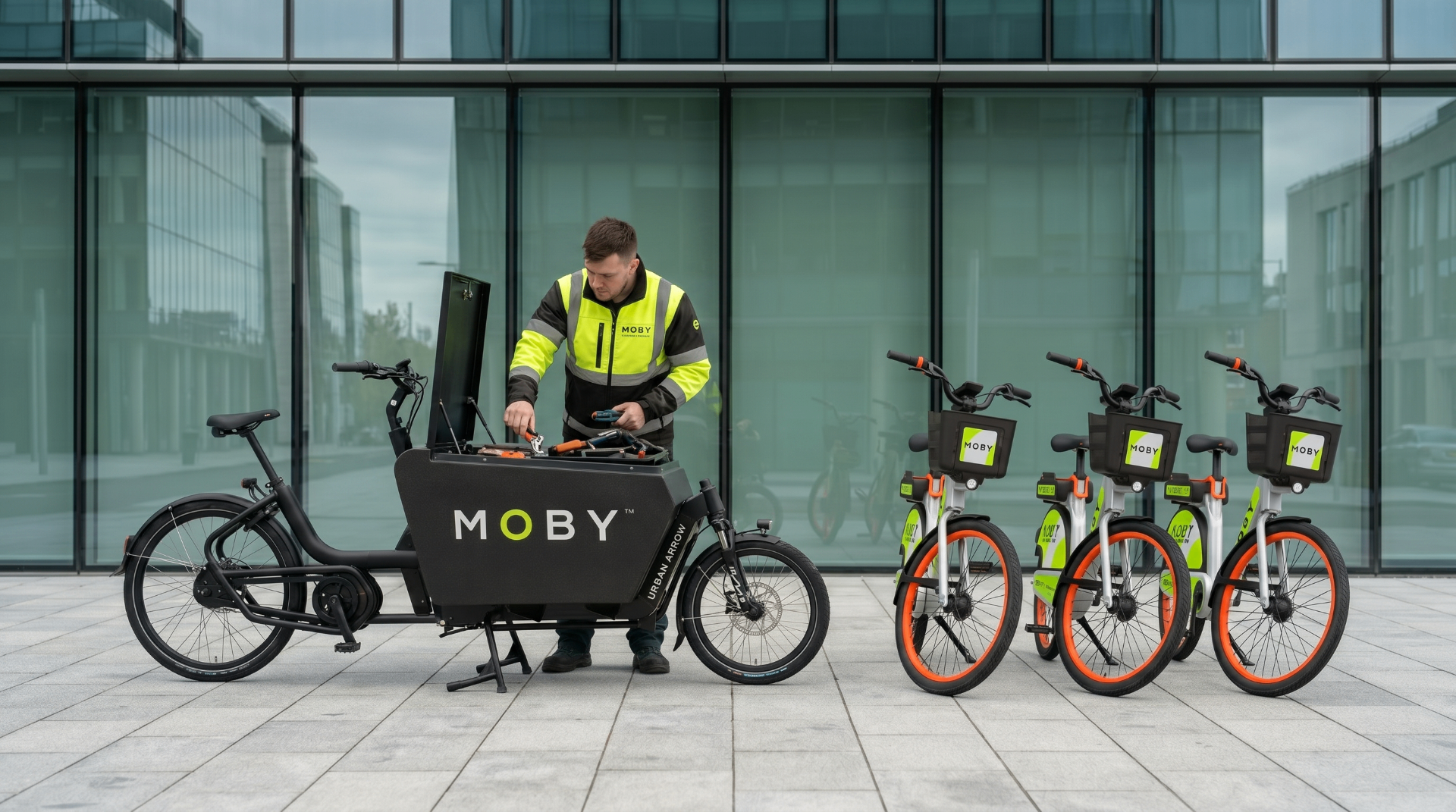
Behind the scenes, this is not just a bike deployment. It's a managed mobility system combining:
- IoT-connected vehicles
- Live fleet monitoring
- Structured maintenance, charging, local field operations and in-app support
The reception on the ground
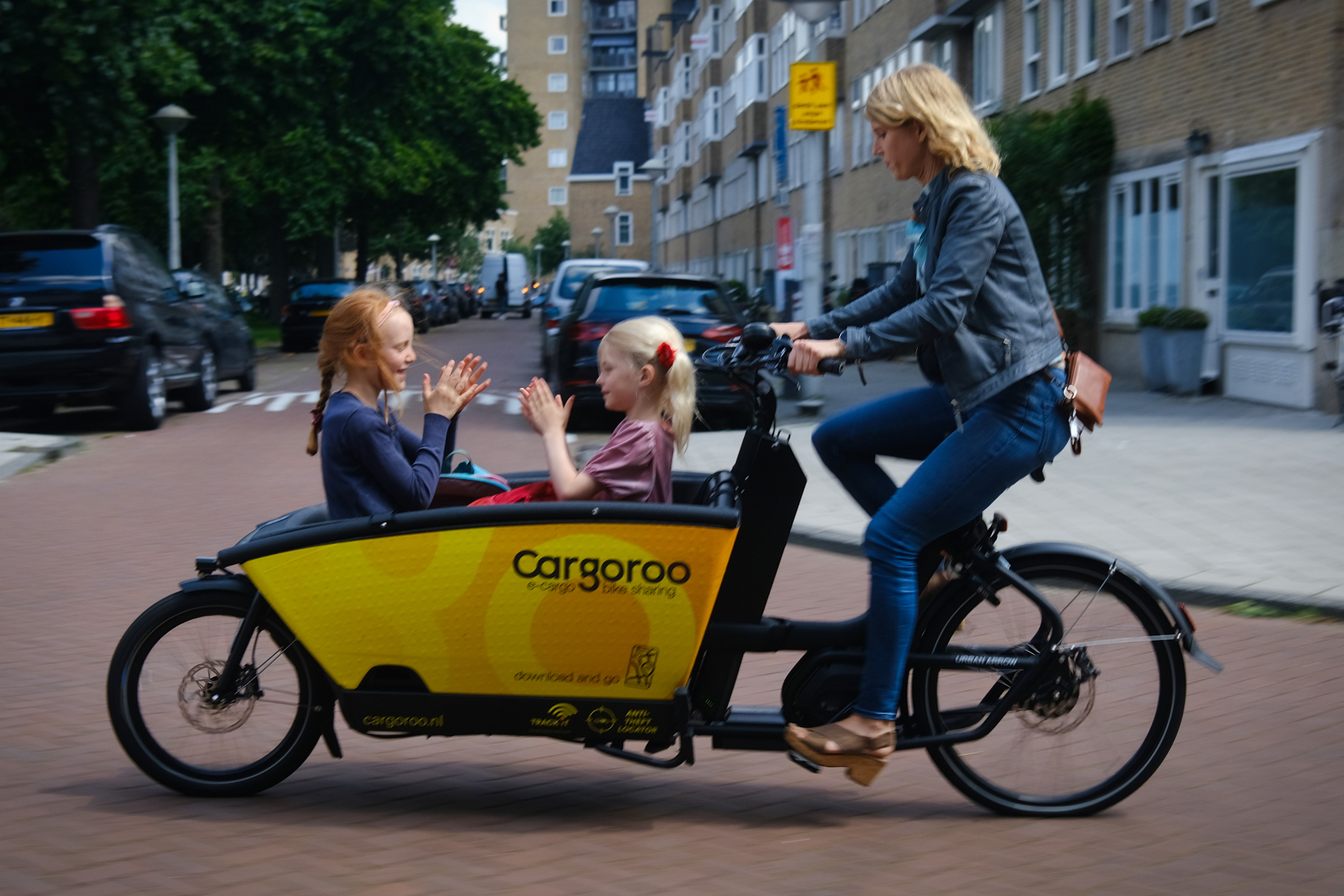
We've seen Cargoroo bikes used for school runs, weekly shopping, renovation projects, Christmas tree runs and even weddings. These are not leisure rides. They are life logistics.
"Shared cargo bikes are moving from novelty to normal urban infrastructure."
Families are using them to replace second-car trips. Residents in dense neighbourhoods are using them for weekly transport needs. Increasingly, small businesses are using them for work-related transport and deliveries.
Growth that reflects real adoption
As we scaled the fleet through late 2025, we saw sustained month-on-month growth in active riders, alongside even faster growth in trip volumes — a signal that riders are using the service more frequently. Active riders increased more than tenfold between August and December. Overall trip volumes increased 8.4× in four months, accelerating as fleet density improved.
Reliability as we scale
Rapid growth only matters if service quality holds. Customer trip satisfaction has remained consistently high at over 90% positive, even as the fleet and user base grew. Shared mobility only replaces car trips if it feels reliable, not experimental.
The bigger moment for cities
Across Europe, cities have invested heavily in protected cycling infrastructure. The convergence of safer cycling networks and shared cargo bike models creates a powerful opportunity to reduce car dependency for everyday utility trips. We see strong potential not only for further expansion across Dutch cities and the Benelux, but also in markets like Ireland, where cycling infrastructure investment is accelerating.
"Not every trip needs a car. Not every trip fits on a standard bike. Shared cargo bikes sit in that space between — and increasingly, they are becoming part of how cities move."
Originally published on LinkedIn: View original